Student guide
Study in Barcelonaa practical guide to learning Spanish and Catalan
Everything worth knowing before you come to study in Barcelona, or if you already live here: why the city attracts so many students, which languages are spoken, what level you'll need and how to choose where to learn.
 By the Hugschool team · Updated October 2026 · 7 min read
In this guide
Why study in Barcelona?
Every year thousands of international students choose Barcelona for their studies. It's no coincidence: few European cities combine quality education with such an enjoyable everyday life.
Prestigious universities
From the University of Barcelona (UB) to business schools like ESADE and IESE, with world-class bachelor's, master's and PhD programmes.
Mediterranean lifestyle
Sunshine, beaches, parks, terraces and great food. Big-city energy with the calm of the sea.
International atmosphere
Students from all over the world, plus fairs, congresses and events that make it easy to meet people and build a network.
Innovation and jobs
Barcelona is one of Europe's leading tech and start-up hubs, with internship and job opportunities.
An open-air museum
The Sagrada Família, Park Güell, El Born or the Gothic Quarter: art and history are part of daily life.
A bilingual city
Life here happens in Spanish and Catalan, which enriches the experience and opens more doors.
.jpg?width=900)
.jpg?width=900)

.jpg?width=900)
Spanish and Catalan: Barcelona's two languages
Two official languages live side by side in Barcelona. Spanish (Castilian) is the common language of the whole country, the one you'll hear everywhere and the most useful if you're coming for the first time. Catalan is Catalonia's own language: it's used at university, in public administration, schools, the media and many workplaces.
For most international students, Spanish is the natural place to start. If you're staying longer, studying at a public university or looking for work here, Catalan makes a real difference: some university classes are taught in Catalan and many employers value it.
What language level do you need?
Language levels are measured with the Common European Framework of Reference (CEFR), from A1 to C2. Knowing where you are helps you choose the right course and set realistic goals.
- A1First steps. You can introduce yourself and understand very basic phrases.
- A2The basics. You can handle everyday situations: shopping, transport, appointments.
- B1Independence. You can live day to day in the language and hold simple conversations.
- B2Fluency. You can follow classes, meetings and discussions fairly comfortably.
- C1Advanced. You express yourself precisely in academic and professional settings.
- C2Mastery. Near-native command of the language.
As a rough guide, A2–B1 is usually enough for daily life and B1–B2 for work. Many university programmes taught in Spanish ask for a B2, although requirements vary, so always check with your university. Before starting a course, the most useful first step is a placement test.
Official certificates: DELE and SIELE
If you need to certify your Spanish to study, work or apply for citizenship, there are two main certificates:
DELE
Issued by the Instituto Cervantes on behalf of Spain's Ministry of Education. Each exam corresponds to one level (A1 to C2) and the diploma never expires. Spanish citizenship requires the DELE A2 or higher, together with the CCSE test.
SIELE
A digital exam from the Instituto Cervantes and several universities. A single test measures your level from A1 to C1, results arrive within a few weeks and the certificate is valid for five years. A flexible option if you need a certificate soon.
For Catalan, there are official certificates from the Generalitat de Catalunya, also organised by CEFR level.
Tips for living and studying in Barcelona
Arrive with a foundation
A few weeks of language study before or on arrival makes everything else, from renting a flat to making friends, much easier.
Choose your neighbourhood wisely
Areas like El Clot, Poblenou or Gràcia combine authentic local life with good connections to the centre.
Use public transport
Metro, buses and shared bikes reach almost everywhere; you don't need a car.
Practise outside the classroom
Language exchanges, markets, volunteering and local activities speed up your learning more than any textbook.
Look into paperwork early
If you're staying for a while, find out early about formalities such as the NIE or registering your address (empadronamiento).
How to choose a language school in Barcelona
There's plenty of choice, so it's worth looking at a few details that make a real difference to your progress:
- Small groups: fewer students means more time to speak.
- Native teachers experienced in teaching foreigners.
- A placement test so you start in the right group.
- An official exam centre if you'll need a certificate.
- Flexible schedules or online classes if you work or study.
- A location well connected to your home or university.
How we do it at Hugschool
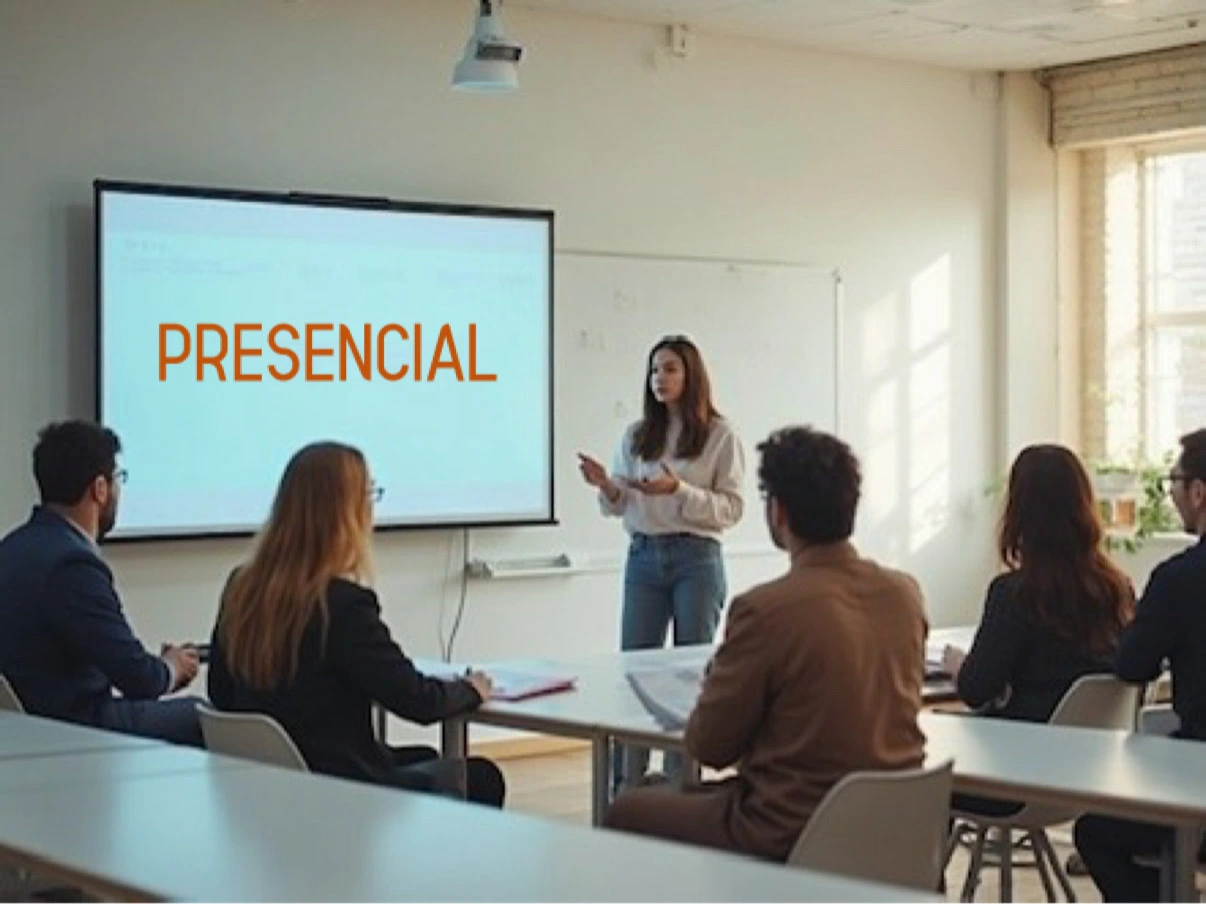
We've been teaching languages in El Clot for more than 10 years. We work with small groups and native teachers, we're an official SIELE exam centre, and we offer Spanish courses for foreigners (A1 to C2, a 20-hour-a-week intensive course and DELE preparation) and Catalan courses, in class or online.
Our idea is simple: more than teaching a language, we want you to gain the confidence to use it in your life in Barcelona.
Frequently asked questions
Do I need Spanish to live in Barcelona?
It isn't essential to arrive, but it's highly recommended. With an A2–B1 level you'll get by comfortably in daily life.
Do I need to learn Catalan?
Not for short stays. If you're going to live, study at a public university or work in Catalonia, Catalan is a big advantage.
What level of Spanish do universities require?
It depends on the programme, but many degrees and master's taught in Spanish ask for B2. Always check your university's requirements.
What's the difference between DELE and SIELE?
The DELE certifies one specific level and never expires. The SIELE measures your level from A1 to C1 in a single digital test and is valid for five years.
What do I need for Spanish citizenship?
You need the DELE A2 or higher and the Instituto Cervantes CCSE test.
Can I start from zero?
Yes. There are courses for complete beginners in both Spanish and Catalan.